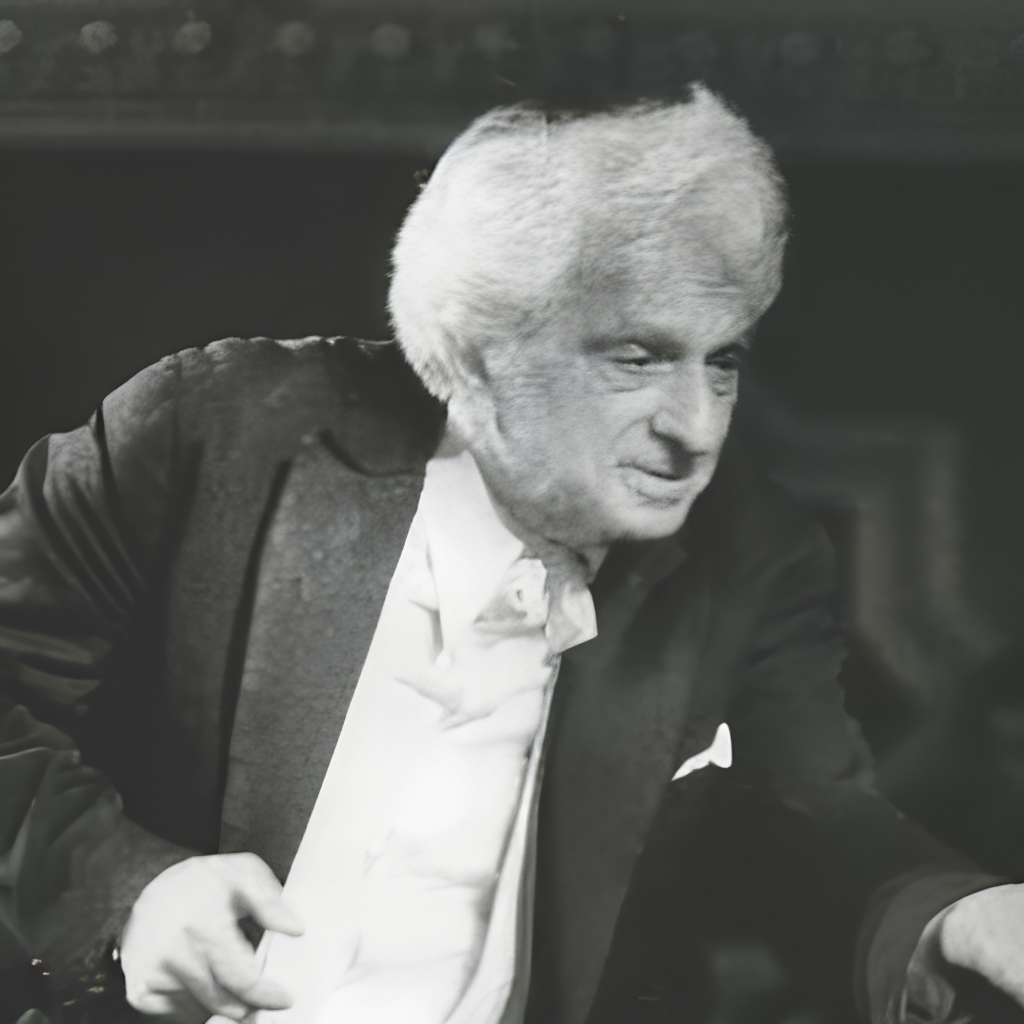
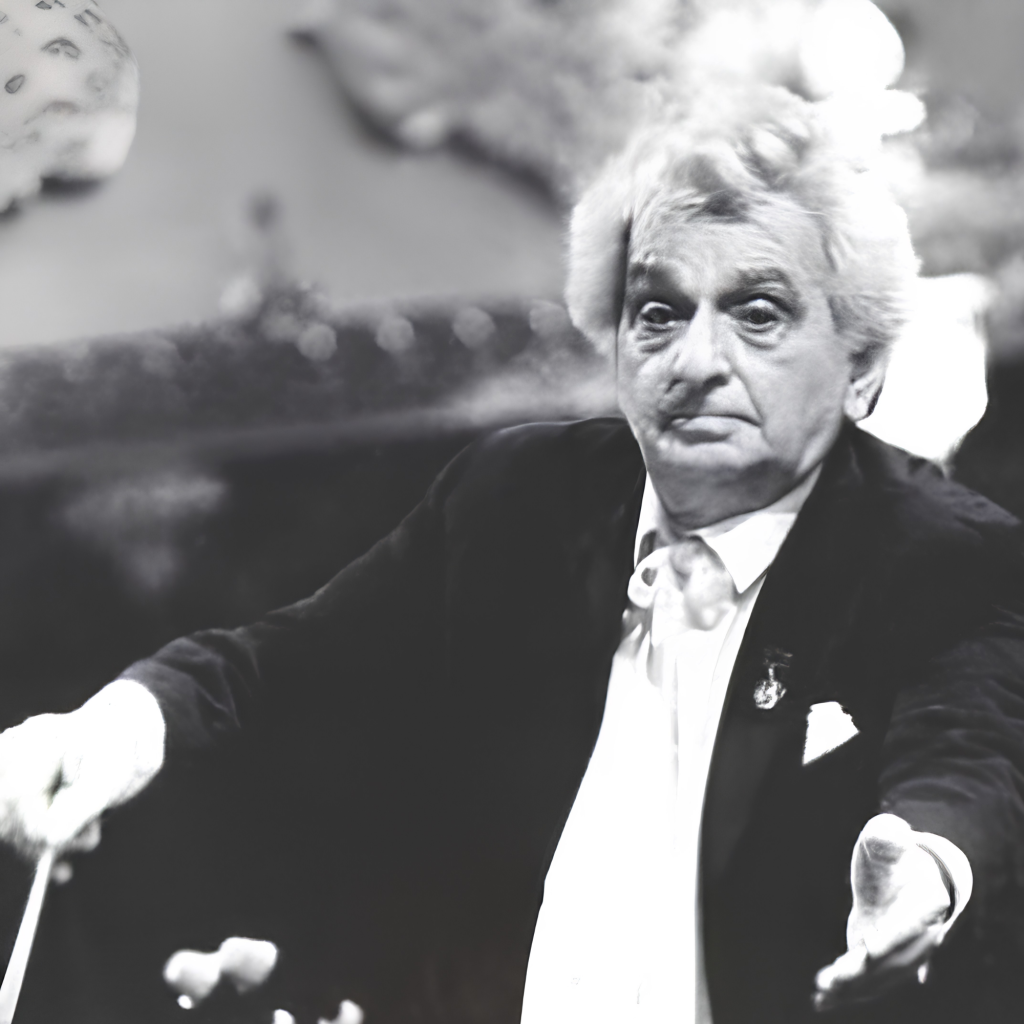
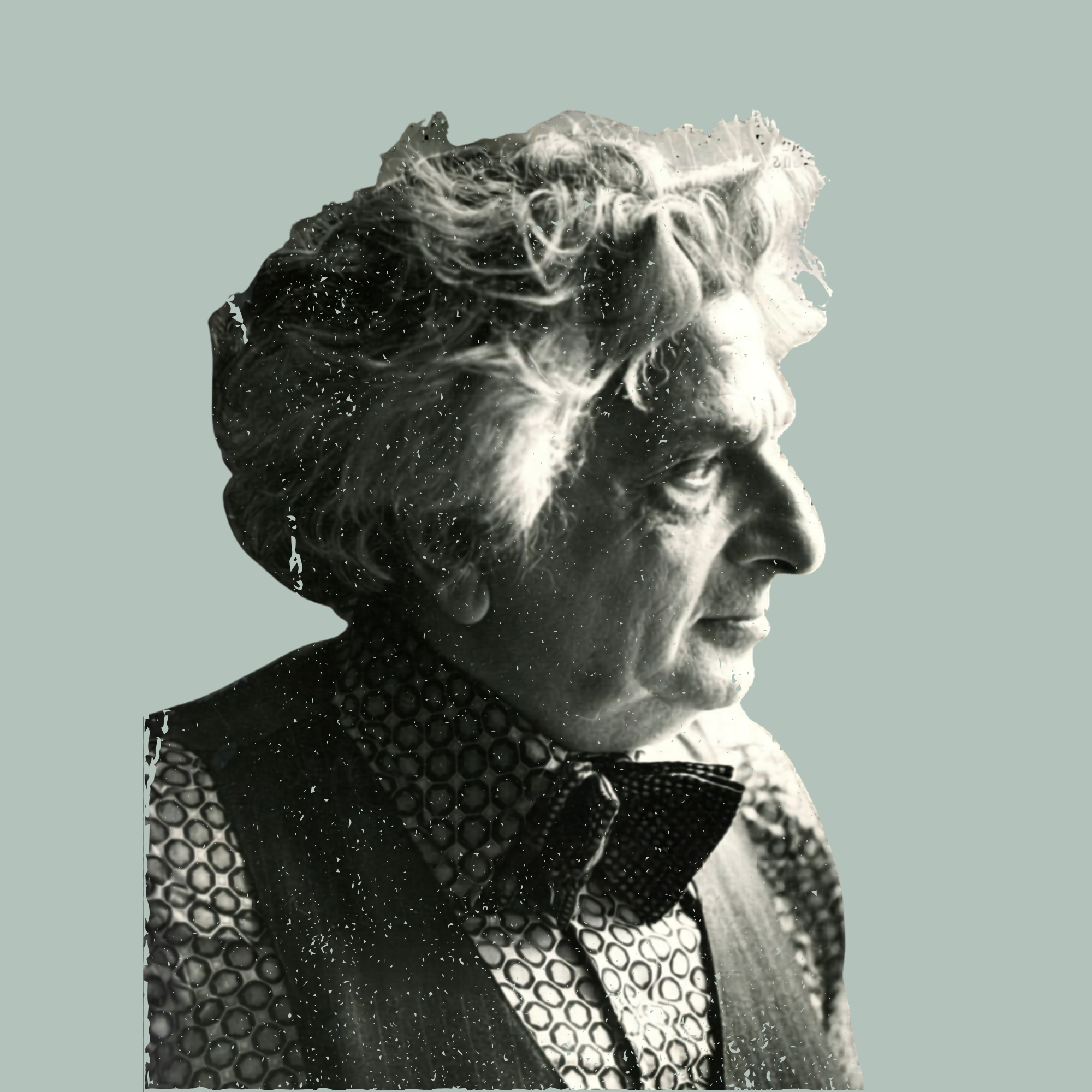
Odyssei Dimitriadi

In the history of twentieth-century Georgian musical culture, a magnificent and epochal place belongs to the genius conductor of Greek origin, Odyssei Dimitriadi. For decades, he was the standard-bearer of the country’s operatic and symphonic arts—a maestro who brought the highest international acclaim to the Georgian performing school and introduced the soul of Georgian music to the world.


Odyssei Dimitriadi made an immense contribution to the popularization of Georgian classical music. His students, including Jansug Kakhidze, later went on to become prominent figures in Georgian musical life. Prominent figures in Georgian musical life later emerged from among his students, including Jansug Kakhidze.

From a Batumi Childhood to Musical Summits

Odyssei Dimitriadi was born on July 7, 1908, in the city of Batumi. His family had relocated to Adjara from Trabzon (Ottoman Empire) at the end of the nineteenth century, after Batumi was granted Porto Franco (free port) status, which led to the formation of a large Greek commercial community in the region. Odyssei’s father, Achilleus Dimitriadi, was a wealthy merchant, while his mother, Olympiada, was a great lover of music and a talented pianist. It was his mother who instilled a love for classical music in young Odyssei and shaped his professional future.

After graduating from the Batumi Music School, Dimitriadi continued his studies at the Tbilisi State Conservatory, majoring in composition. Seeking further education, he traveled to the Leningrad (now St. Petersburg) Conservatory, where he mastered the art of conducting under the guidance of legendary professors. It was there that his flawless technique, monumental style, and phenomenal musical intuition were forged.

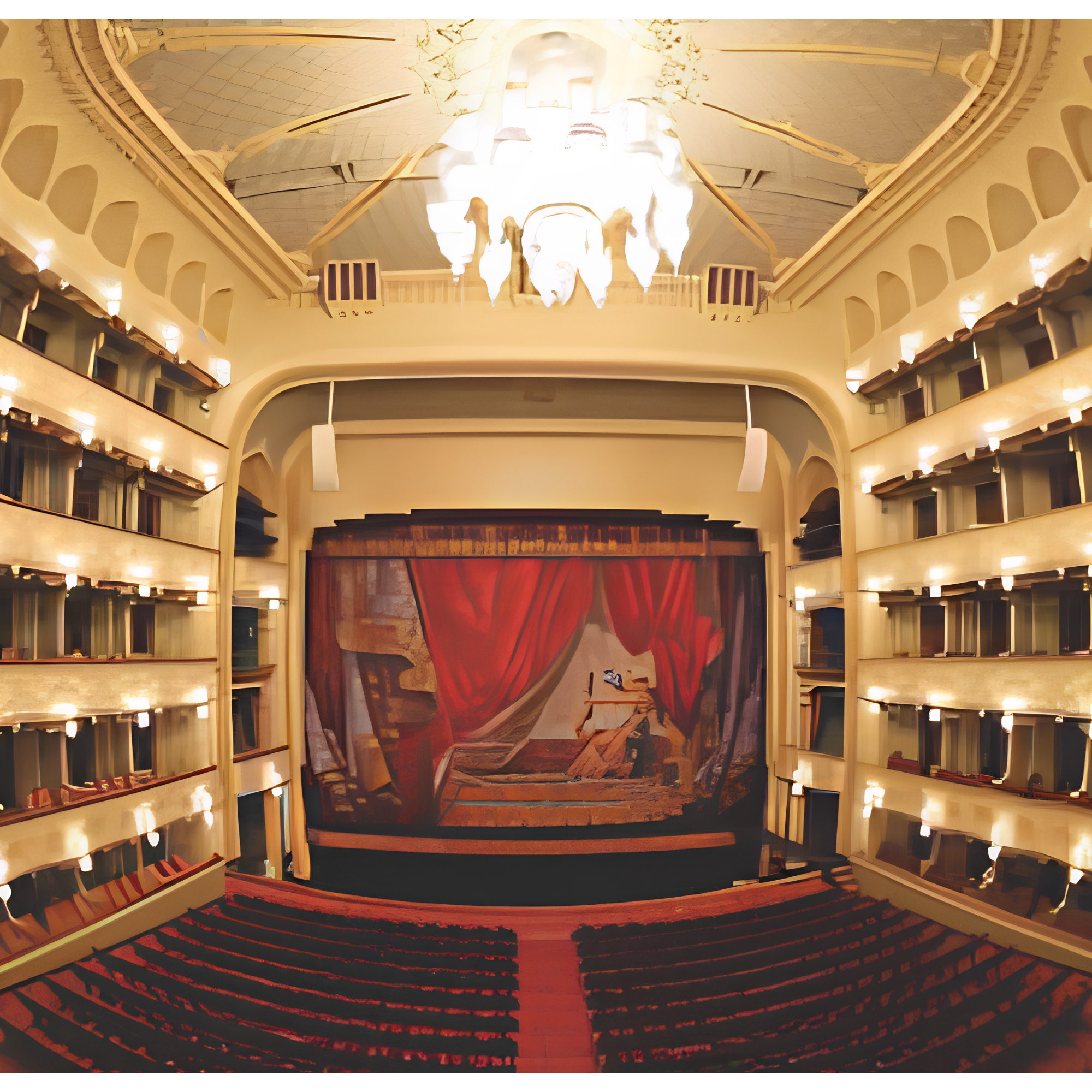
The "Golden Age" of the Tbilisi Opera and the Georgian Repertoire

In 1937, immediately upon returning to his homeland, Odyssei Dimitriadi was appointed conductor of the Tbilisi Opera and Ballet Theatre, becoming its chief conductor in 1953. He breathed an entirely new, powerful energy into the theatre, which is why the period of his leadership is hailed in the history of the Tbilisi opera troupe as the “Golden Age.”

The pinnacle of his career and his artistic calling card became Zakaria Paliashvili’s opera, Abesalom and Eteri. Despite his Greek roots, Dimitriadi felt the nature of Georgian musical folklore and polyphony so deeply—on a genetic level, as it were—that his interpretation of this masterpiece is still recognized today as the gold standard, an untouchable classic.

Beyond Paliashvili, the maestro gave new life to other Georgian masterpieces:

  • Meliton Balanchivadze’s opera Darejan Tsbieri (Darejan the Crafty), featuring his new editorial production.

  • Shalva Mshvelidze’s monumental operatic canvas, The Story of Tariel.

  • New symphonic works by Otar Taktakishvili and Aleksandre Machavariani.

Dimitriadi was one of the first to take Georgian operatic art beyond its borders. In 1958, during the Decade of Georgian Art in Moscow, his conducting caused a massive sensation, which was followed by large-scale international tours across leading European countries and Latin America (including Mexico).

Watch the video

This website was created with the support of the European Union. HEKS-EPER Georgia bears full responsibility for its content, and it may not reflect the views of the European Union.

© 2026